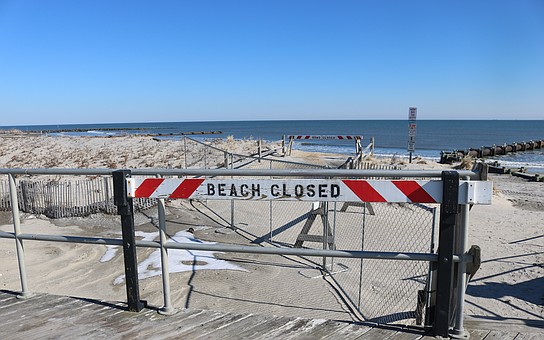
Living on Georgia's coast is pretty amazing. You get those ocean views, the salt breeze, and year-round outdoor weather that most people only dream about. But here's the reality check: hurricane season doesn't care how beautiful your deck is or how much you paid for it. I've seen gorgeous decks get absolutely destroyed because they weren't built with coastal weather in mind.
The damage numbers tell the story. According to insurance reports, coastal homeowners lose thousands of dollars every year replacing decks that simply weren't designed for hurricane conditions. And it's not just the big Category 4 or 5 storms. Even a strong tropical storm can tear apart a deck that wasn't built right.
Standard deck construction works fine if you live inland. But if your home is anywhere near the coast, those regular building methods won't cut it. The wind loads are different. The moisture levels are insane. And when a storm rolls through, your deck needs to stay put.
This guide breaks down what actually makes a deck hurricane-ready. We're talking real building standards, not just marketing hype. By the end, you'll know exactly what to look for when planning your coastal deck project.
Let's be honest about the risk zones. If you're in Savannah, Brunswick, St. Simons Island, Jekyll Island, or anywhere along that coastal stretch, you're in a high-risk area. Period.
The threats come from multiple directions. Wind loads can reach 140 mph or higher during a major hurricane. Flying debris turns into projectiles that can punch through standard railings and decking. Storm surge brings flooding that can undermine foundations. And then there's the saltwater, which corrodes metal fasteners and hardware faster than you'd think.
Here's what different hurricane categories mean for your deck:
● Category 1-2 storms test your fasteners and connections. If they're not rated properly, boards start lifting.
● Category 3 storms will find every weak point in your structure. Railings get ripped off. Unsecured sections go flying.
● Category 4-5 storms? Only properly engineered, code-compliant decks have a real shot at surviving intact.
The good news is that building codes exist for a reason. Follow them, and your deck has a fighting chance.
Now, let's talk about the rules. Georgia follows the State Minimum Standard Codes, which reference the International Building Code with specific amendments for coastal areas. These aren't suggestions. They're requirements.
For coastal zones, wind load requirements are significantly higher than in inland areas. Your deck needs to be engineered to withstand sustained winds based on your specific location. In many coastal counties, that means designing for 130-140 mph wind speeds.
Wind-borne debris regions have additional requirements. These zones require impact-resistant materials or protective measures for certain deck elements. The idea is simple: when your neighbor's patio furniture becomes airborne, your deck shouldn't fall apart.
The difference between coastal and inland construction is huge. Inland decks might need to handle 90-100 mph winds. Coastal decks? Try 130-140 mph or more. That changes everything about how the deck gets built, from the foundation depth to the fastener spacing.
Permits and inspections aren't optional. I know, nobody likes dealing with the permit office. But here's the thing: that inspection process catches mistakes before they become disasters. When you're working with experienced deck contractors in Georgia who specialize in coastal work, they'll handle the permit process and know exactly what inspectors are looking for.
Expect multiple inspections: foundation, framing, and final. Each one verifies that your deck meets code requirements for your specific location.
This is where theory meets reality. Hurricane-resistant decks need specific features that standard decks don't have.
Your deck is only as strong as what's holding it up. In coastal areas, that usually means going deeper and stronger than you'd expect.
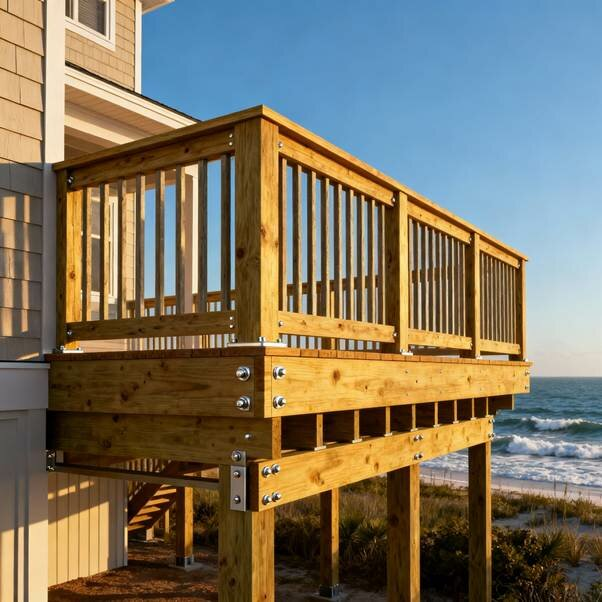
Helical piles are becoming the go-to choice for coastal decks. These are basically big screws that drill deep into the ground, creating a solid anchor point that won't shift during storms. Concrete footings work too, but they need to go deeper in sandy coastal soil.
The depth matters. We're talking below the frost line, which in coastal Georgia is typically 12-18 inches. But many contractors go even deeper for added stability.
Hurricane straps and metal connectors are non-negotiable. These aren't the light-duty brackets you'd use on an inland deck. We're talking heavy-duty galvanized or stainless steel connectors that bolt the deck frame directly to the foundation. Every connection point needs to be secured properly.
The frame of your deck needs to be beefed up compared to standard construction. That means larger joists, closer spacing, and additional bracing.
Reinforced beams and joists handle the extra stress from high winds. Instead of standard 2x8 joists, you might need 2x10 or even 2x12, depending on the span and design.
Cross-bracing techniques create a more rigid structure that resists lateral movement. When wind hits your deck from the side, cross-bracing keeps everything from swaying or twisting.
The continuous load path is engineering speak for making sure forces transfer properly from the deck surface all the way down to the foundation. Every connection needs to be strong enough to handle the load. Think of it like a chain: one weak link ruins everything.
Regular deck screws and nails won't cut it in coastal areas. Hurricane-rated screws are specifically designed to resist pull-out forces from high winds.
The difference is real. Standard screws might hold 100-150 pounds of pull-out force. Hurricane-rated screws can handle 300+ pounds. When you multiply that across hundreds of fasteners, it adds up to a deck that stays together.
Spacing requirements are tighter in coastal zones, too. Where inland decks might space fasteners 16 inches apart, coastal decks often require 12 inches or even 8 inches, depending on the application.
Materials matter just as much as construction methods. The coastal environment is brutal on outdoor structures.
Pressure-treated lumber needs a higher retention level for coastal use. Look for lumber rated for ground contact or marine environments. The chemical treatment penetrates deeper and provides better protection against moisture and insects.
Composite decking has some advantages in hurricane zones. It won't rot, won't splinter, and handles moisture better than wood. But here's the catch: not all composite is created equal. Cheaper versions can become brittle over time, especially with constant UV exposure. If you go composite, invest in quality brands with proven coastal performance.
Aluminum and vinyl railings are popular in coastal areas for good reason. They don't corrode like painted wood, and they're lighter weight, so they create less wind resistance. That said, make sure they're properly rated for high winds. Some lightweight vinyl systems aren't strong enough for coastal conditions.
Hardware is where many DIY projects fail. You need corrosion-resistant fasteners and brackets. Stainless steel is the gold standard, but hot-dipped galvanized works too if you're watching the budget. Regular zinc-plated hardware will rust out in 3-5 years near the coast.
Saltwater-resistant coatings and sealants protect wood and extend the life of your deck. Plan on reapplying sealant every 1-2 years in coastal areas. It's maintenance, but it beats replacing boards.
Finding the right contractor makes all the difference. Not every builder understands coastal requirements.
Licensed contractors who specialize in coastal work know the codes inside and out. They've built decks that survived real hurricanes, and they know which methods actually work. When you're interviewing deck contractors in Georgia, ask specifically about their coastal experience. Questions to ask:
● How many coastal decks have you built in the past three years?
● Can you provide references from homeowners in my area?
● Are you familiar with the specific wind load requirements for my zip code?
● What type of foundation system do you recommend and why?
● Do you handle the permit process, or is that on me?
● What's the typical timeline from permit to completion?
● Do you offer any warranty on workmanship?
Insurance and licensing verification are crucial. Ask for proof of liability insurance and workers' comp coverage. Check their contractor license with the state. It takes five minutes and could save you major headaches.
How contractors adapt standard projects for coastal conditions varies by builder. Good ones will automatically spec heavier materials, closer fastener spacing, and reinforced connections. They'll also factor in drainage since coastal areas get heavy rain.
Timeline expectations need to be realistic. Getting permits in coastal counties often takes 2-4 weeks longer than in inland areas because of the additional engineering reviews. Factor that into your planning.
Building a hurricane-ready deck is step one. Maintaining it properly is step two.
Regular inspections catch small problems before they become big ones. Walk your deck twice a year, looking for loose boards, corroded fasteners, or cracked framing members. Pay special attention to connection points and hardware. Your pre-hurricane season checklist should include:
● Tighten any loose fasteners or hardware.
● Check all connection points for corrosion.
● Remove or secure any loose items (furniture, planters, grills).
● Trim back any trees or branches that could fall on the deck.
● Check drainage to ensure water flows away properly.
● Test railings to make sure they're solid.
Removable deck features make storm prep easier. If your furniture, planters, or decorative railings can come off quickly, do it before a storm arrives. Even small items become dangerous projectiles in 100+ mph winds.
Post-storm inspection protocol is simple but important. After any major storm, walk your deck and check for damage. Look for lifted boards, pulled fasteners, cracked supports, or shifted foundation elements. Document everything with photos if you need to file an insurance claim.
Hurricane-ready deck construction costs more upfront than a standard building. There's no way around that. The materials are more expensive. The labor takes longer. The engineering requirements add cost.
But here's what I've learned talking to coastal homeowners: the ones who built it right the first time are glad they did. Replacing a destroyed deck costs way more than building a strong one to begin with. Plus, there's the hassle factor. Dealing with insurance claims and reconstruction while your neighbors are doing the same thing after a major storm? That's a nightmare you want to avoid.
Your deck is an investment in your home and your lifestyle. Building it to survive coastal weather means you get to enjoy it for decades instead of worrying every hurricane season.
Ready to start planning? Find licensed deck contractors in Georgia who have real experience with coastal construction. Ask the tough questions. Check their references. Make sure they understand the building codes and engineering requirements for your specific location.
Your future self will thank you when the next big storm rolls through and your deck is still standing.