
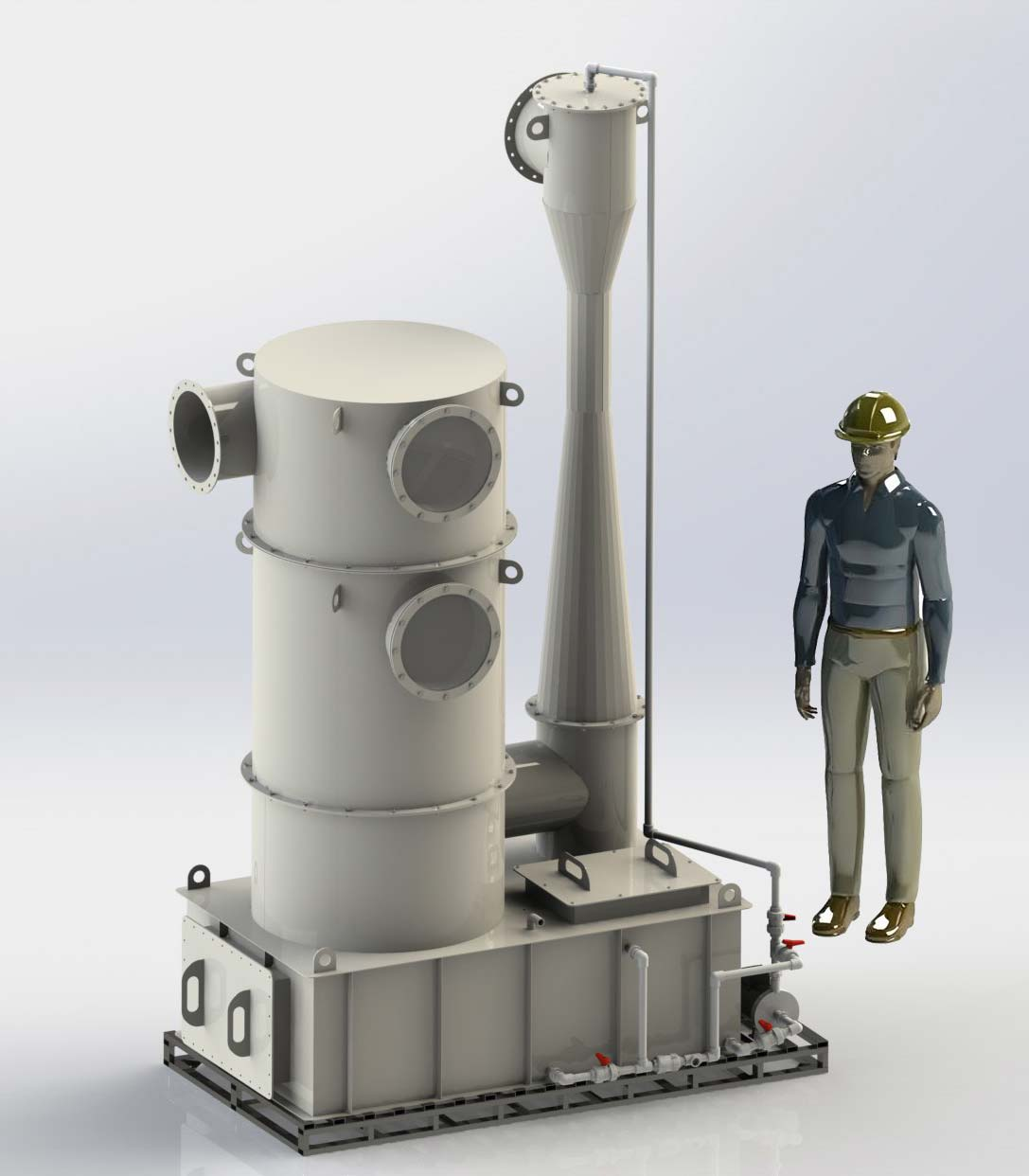
Industrial operations frequently produce contaminated air streams that must be treated before release to the environment. In many facilities, particularly those using wet scrubber technologies, effective air cleaning is essential for regulatory compliance, worker safety, and environmental stewardship. This article explores the fundamentals of ventilation scrubber systems designed specifically for industrial and manufacturing applications, focusing on optimized performance, design considerations, and the advantages of advanced air purification filters engineered for wet scrubbers.
A ventilation scrubber is a specialized air pollution control device used in industrial systems to remove harmful gases, particulate matter, and chemical contaminants from exhaust air streams. These systems are engineered for high-volume, high-contaminant environments found in manufacturing plants, chemical processing facilities, metal finishing operations, and similar industrial settings.
At the core of many ventilation scrubber systems is the wet scrubber, which uses a liquid medium—typically water or a chemical solution—to capture and neutralize pollutants. The contaminated air is brought into close contact with the scrubbing liquid, allowing pollutants to transfer from the air into the liquid phase. The result is cleaner exhaust air and improved environmental performance.
Ventilation scrubber systems play an essential role in industrial air pollution control due to their ability to manage complex and hazardous emissions. Key reasons these systems are widely adopted include:
Industries that commonly rely on ventilation scrubbers include chemical manufacturing, metal processing, pharmaceutical production, petrochemical operations, power generation, and food and beverage processing.
An effective ventilation scrubber system is composed of multiple integrated components, each contributing to overall performance:
Designed to collect contaminated air efficiently and deliver it evenly into the scrubber system.
Removes larger particulates before the air enters the wet scrubber, helping protect internal components and maintain system efficiency.
The primary treatment chamber, which includes spray nozzles, packing media to increase air-liquid contact, and mist eliminators to prevent liquid carryover.
Pumps, reservoirs, and piping that manage the flow of scrubbing liquid throughout the system.
Industrial-grade fans move air through the ventilation scrubber and discharge treated exhaust safely.
Automated controls track airflow, pressure drop, liquid chemistry, and system performance to ensure consistent operation.
Choosing the correct ventilation scrubber system requires careful analysis of operational needs:
A well-matched system ensures optimal pollutant removal while controlling energy consumption and maintenance costs.
Specialized air purification filters significantly enhance the performance of ventilation scrubber systems. When designed specifically for wet scrubber applications, these filters offer:
High-quality industrial filters are engineered to withstand moisture, chemical exposure, and continuous operation, making them a critical component in modern ventilation scrubber designs.
Routine maintenance is essential for sustaining scrubber efficiency and reliability. Recommended practices include:
Proactive maintenance helps prevent unplanned downtime and ensures long-term system performance.
Ventilation scrubber systems may face challenges if not properly managed. Common issues include corrosion, foaming, liquid carryover, and excessive pressure drop. These challenges can be addressed through proper material selection, system design optimization, and consistent maintenance routines.
Advancements in ventilation scrubber technology continue to improve industrial air treatment capabilities. Emerging trends include:
These innovations help facilities meet increasingly stringent environmental requirements while maintaining operational efficiency.
Ventilation scrubber systems are a vital component of industrial air pollution control strategies. By effectively removing harmful gases and particulates, they protect workers, equipment, and the environment. Integrating high-performance air purification filters into wet scrubber systems further enhances reliability and efficiency.