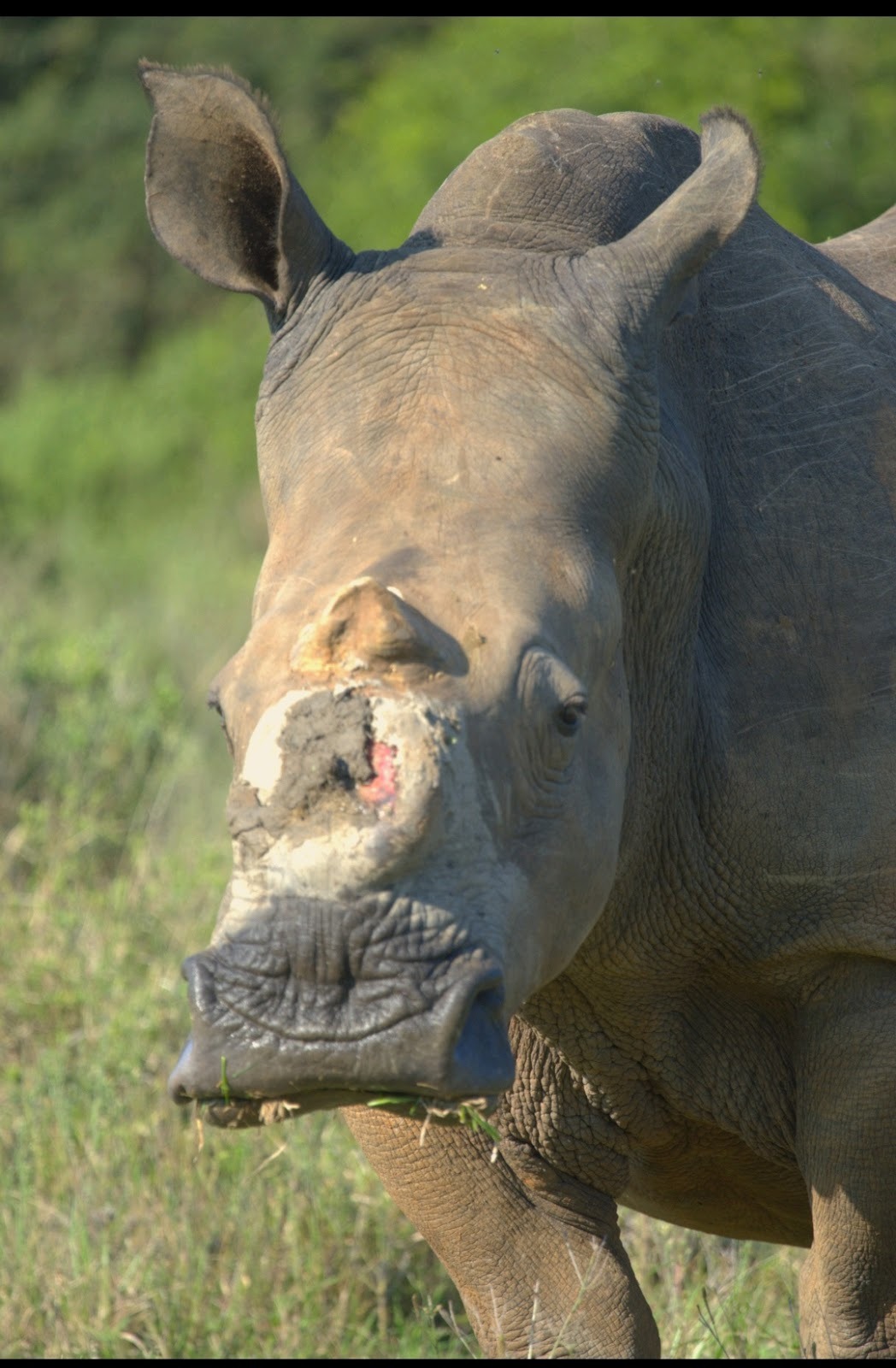
Rhinos are one of the most recognizable animals on the planet, yet their future is far from certain. Today, they are listed as critically endangered, with just over 6,000 black rhinos left worldwide.
Poaching continues to claim lives, natural habitats are shrinking, and climate-related events are introducing new risks on top of challenges conservation groups have faced for decades.
Helping Rhinos was founded in 2012 in response to these mounting pressures. Working across Africa, the organization focuses on the long-term survival of rhinos in the wild.
Its work goes beyond short-term fixes, prioritizing lasting protection, habitat expansion, and local community involvement.
Central to this work are Rhino Strongholds. These are large, protected landscapes where rhinos can roam freely, ecosystems are allowed to function naturally, and local communities play an active role in conservation. These strongholds are designed to support not only rhinos, but the people and ecosystems that make their survival possible.
As the challenges facing rhinos continue to evolve, Helping Rhinos remains focused on building conservation systems that can adapt and endure. The goal is not only to prevent further losses, but to help create conditions where rhino populations can recover and stay stable for generations.
Why Disengagement Fuels Exploitation
Helping Rhinos points to three main threats that are pushing rhinos closer to extinction. The most immediate is poaching. Illegal wildlife trade driven by organized criminal groups continues to target rhinos across Africa. Even in protected areas, the threat is constant, requiring ongoing monitoring and coordination between teams on the ground.
Habitat loss adds even more strain. As land is increasingly used for agriculture, development, and other human needs, rhino habitats become smaller and more fragmented. Helping Rhinos has long stressed that wildlife needs space to behave naturally and sustain healthy populations. Without that space, conservation efforts become fragile and harder to maintain.
Local communities sit in the middle of both challenges. Conservation efforts tend to break down when the people living near the wildlife don’t see any real benefit. Without access to education, employment, or a role in conservation, protective efforts can fail, making it easier for poaching networks to work without resistance.
Helping Rhinos sees these issues as connected and works to address all three at the same time.
Rethinking What Protection Looks Like
Helping Rhinos organizes its work around three conservation pillars: Protect the Wildlife, Preserve Their Habitats, and Provide for People. These priorities are treated as guiding principles that inform decisions at every level.
Protecting wildlife begins with layered security. Anti-poaching patrols operate across vast and difficult terrain, supported by aerial surveillance using aircraft and drones.
In South Africa’s Eastern Cape, Helping Rhinos works with the African Rhino Conservation Collaboration on the Eyes in the Skies program. The program makes it possible to monitor wide areas from the air and share real-time information between protected areas, helping teams stay connected.
Technology has become just as helpful. Tracking collars help monitors locate rhinos more efficiently and flag unusual behavior. When something seems wrong, alerts are sent to control rooms so teams can respond quickly. Improvements in drone technology mean rangers can cover more ground and act faster, especially when every minute counts.
Security alone, however, does not create long-term safety. Preserving habitats means creating space rather than relying on confinement. Helping Rhinos works with partners to restore degraded land, remove fences, connect previously separate areas through wildlife corridors, and reintroduce rhinos to regions where they have been absent for years.
In the Eastern Cape, cooperation between landowners and conservation groups has helped connect once-separate properties into larger, more continuous spaces. As a result, poaching has stayed relatively low there, making it one of the safer places in the country for rhinos.
That outcome didn’t happen by chance. It is the result of years of coordination, trust, and shared responsibility.
Just as important is providing for the people living in the same areas as the rhinos. Over the past five years, Helping Rhinos has helped establish three schools in Rhino Stronghold areas. Two are already open and serving local students, while a third is still being built. These schools stand as daily reminders that protecting wildlife can also support families and future generations.
Education doesn’t stop in the classroom. Through the Bush Babies environmental education program, which is connected to the Black Mambas anti-poaching unit, children are introduced to wildlife and conservation at a young age.
Helping Rhinos also supports community-based ranger training programs, creating long-term jobs that are directly tied to protecting wildlife. One such program, developed with the Kariega Foundation and the Eastern Cape Occupational Development Academy, follows a 12-month pathway.
Participants complete a six-week accredited field ranger training course, followed by a 10-month mentored internship. Graduates earn an NQF2 qualification and move into conservation roles within their own communities.
No Stronghold Stands Alone
None of this would be possible without the partners doing the work on the ground. Helping Rhinos works alongside other organizations that share the same goals, building long-term relationships based on accountability and ongoing review. Each partner undergoes an annual review to ensure alignment with the organization’s conservation pillars.
One of the longest-standing relationships is with Ol Pejeta Conservancy in Kenya. The conservancy is home to the largest population of eastern black rhinos in the world, as well as the last two northern white rhinos, Najin and Fatu. Helping Rhinos has worked alongside Ol Pejeta for more than a decade, supporting protection efforts and major conservation milestones along the way.
That partnership recently supported the translocation of 21 black rhinos to another conservancy in Kenya, where the species had become extinct. The move reduced pressure on existing populations and helped establish a new founder group. Since then, several calves have been born.
In South Africa’s Eastern Cape, Helping Rhinos works with the Kariega Foundation at Kariega Game Reserve. The reserve is home to Thandi, a rhino who survived a brutal poaching attack in March 2012.
Her survival and the decision to share her story brought international attention to the realities of rhino poaching. Since that attack, Thandi has given birth to five calves and is expected to have a sixth in 2025.
Helping Rhinos also works alongside the Black Mambas, the world’s first all-female anti-poaching unit operating near the Greater Kruger National Park. As highly visible members of their communities, the Black Mambas challenge long-held ideas about who belongs in conservation and help inspire younger generations through the Bush Babies program.
Another key partner is the Zululand Conservation Trust, which runs the Zululand Rhino Orphanage in KwaZulu-Natal, South Africa. The orphanage is the only specialist rhino rescue and rehabilitation facility located in the heart of the global epicenter of rhino poaching.
When Protection Comes With Loss
Even with experience and preparation, conservation work still carries real risk. In 2018, two rhino orphans at the Zululand Rhino Orphanage, Ntoto and Isomiso, died after becoming ill from an unknown cause.
Both had lost their mothers to poaching and were midway through rehabilitation. Despite intensive care, they died within days of each other. The loss was deeply felt and led to changes in rehabilitation practices that informed future decisions around orphan welfare.
Helping Rhinos has also been involved in efforts to save the northern white rhino from extinction. Through its partnership with Ol Pejeta, the organization supported groundbreaking scientific work that resulted in the world’s first successful rhino IVF pregnancy using a southern white rhino surrogate.
Seventy days into the 16-month pregnancy, the surrogate died after contracting Clostridia, a naturally occurring soil bacterium released by severe flooding linked to climate change. While the loss was devastating, the successful pregnancy confirmed that embryo implantation was possible.
Why the Fight for Rhinos Isn’t Over
For Helping Rhinos, long-term success is measured in three ways. The organization wants to see rhino populations increasing, poaching decreasing, and habitats expanding and reconnecting. While these outcomes can be tracked numerically, the organization views them as signs of deeper progress that also includes healthier ecosystems and stronger community involvement.
Looking ahead, Helping Rhinos plans to expand Rhino Strongholds into more African countries and eventually begin working with Asian rhino species.
Asked what gives them hope, Helping Rhinos points to the growing engagement of younger generations. At the same time, the organization emphasizes that conservation is not limited by age. Anyone can make a difference, whether through advocacy, education, or direct involvement.
For Helping Rhinos, the work continues with a clear understanding of what is at stake. Protecting rhinos means protecting the land they depend on and the people who share those spaces. It is delicate, often difficult work, carried out over years rather than moments. And as the margin for error continues to shrink, it’s work that can’t afford to stop.