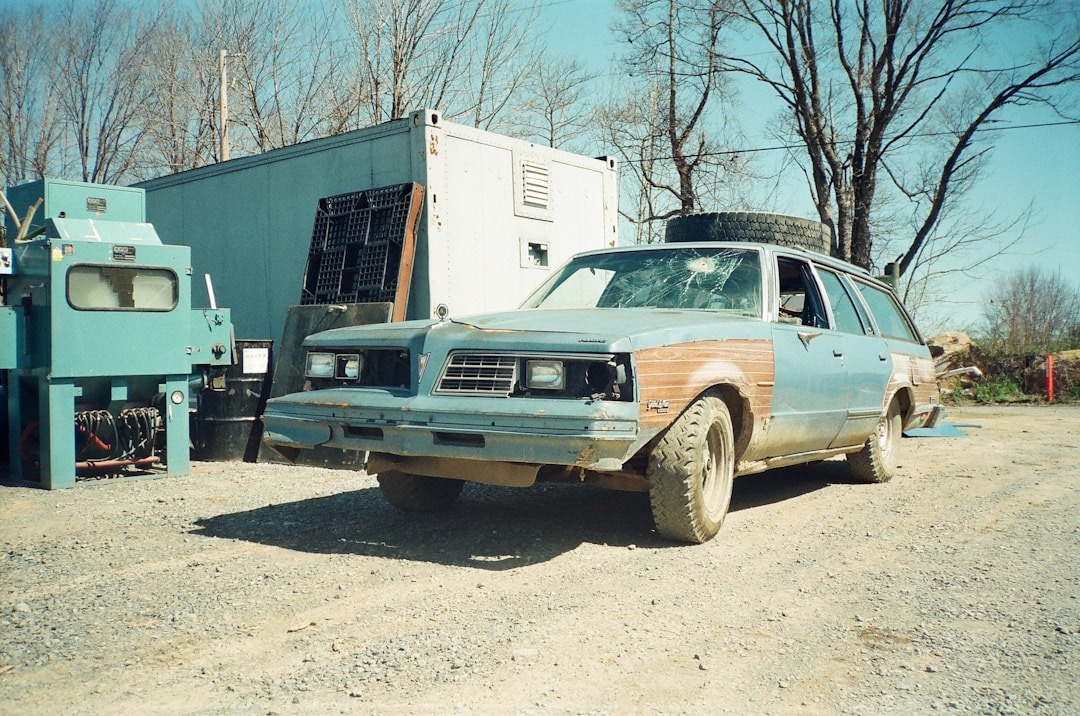
Selling a junk car may seem like a daunting task, but with the right knowledge, you can transform a rusty heap into a pocketful of cash. Many car owners don't realize the hidden value sitting in their driveways. Getting rid of a car that's beyond repair not only frees up space but can also be an unexpected source of income. To ensure you make the most out of your junk car, a few key steps must be taken. Keep reading for a detailed guide on how to navigate the process of turning your scrap vehicle into profit.
Understanding your junk car’s value starts with recognizing that even non-running vehicles often contain salvageable parts or recyclable metals. Repair shops, collectors, and scrappers may pay for components in demand, and some makes, or models—especially vintage or rare ones—can command higher prices for restoration projects.
Online valuation tools can give you a baseline, but condition, damage, and rust will heavily influence offers. Scrap and parts markets also fluctuate, so keeping tabs on current demand can help you time your sale, especially when using services that make it easy to sell junk car Detroit.
Preparing a junk car for sale involves making it as presentable and valuable as possible. Clearing out personal items and cleaning the interior can create a better impression for buyers, even if the vehicle is bound for scrap. Having proper documents, such as the title and any maintenance records, is essential for establishing ownership and supporting the value of usable parts.
Removing certain components like the battery, wheels, or alternator can yield higher returns when sold separately, provided safety guidelines are followed. Minor repairs may also be worth the effort, as fixing simple issues or getting the engine running can shift the car’s appeal from scrap material to a potential project for interested buyers.
Selling a junk car involves choosing the most suitable market for your needs. Private buyers may offer higher prices, though finding one can take time and effort. Salvage yards and scrap dealers provide quicker transactions with set rates based on metal content. Online platforms widen your reach but may involve listing fees and managing multiple inquiries.
Social media groups and car enthusiast forums can help attract interested buyers, though negotiations may be necessary. Local dealerships may purchase junk cars or offer trade-in credits, though payouts are usually lower. Charitable organizations also accept vehicle donations, allowing owners to support a cause while gaining potential tax benefits.
Completing a legal junk car sale requires transferring the title to the buyer, as this formally records the change in ownership and prevents future liability. A detailed bill of sale documenting the terms of the transaction and confirming the vehicle is sold “as is” is essential. Regulations differ by state, and some require submitting a release of liability form to the motor vehicle department.
Environmental laws also govern the safe disposal of fluids, batteries, and other hazardous components. If the title is lost, you can request a duplicate from your local vehicle registration office. While some buyers may accept a bill of sale and registration, securing the title remains the safest option.
Negotiating the sale of a junk car requires knowing its value and presenting its best qualities, such as functional parts, upgrades, or distinctive features, while staying flexible on price. Avoid the first offer until you understand current market rates, and stay alert for scams, especially buyers requesting unnecessary personal details or urging quick, paperwork-free deals.
Choose secure payment methods like cash or a verified cashier’s check to prevent fraud and decline arrangements that delay compensation. Creating a sense of urgency can motivate buyers to act quickly, but it should be done carefully to avoid appearing overly eager or suggesting hidden issues with the vehicle.
Altogether, selling a junk car can be a straightforward process when approached strategically. By understanding your car’s inherent value, preparing adequately for the sale, knowing where to sell, navigating the legalities wisely, and honing your negotiation skills, you can confidently turn your scrap car into cash. With the right preparation and knowledge, your junk car can indeed become a valuable asset.