The Langtang Gosainkunda trek is the best option for trekkers who want to witness raw natural beauty and explore cultural diversity. Located in the north of Kathmandu city, this trek is one of the most serene natural escapes. It is a perfect match for trekkers who want a meaningful Himalayan experience rooted in nature and heritage.
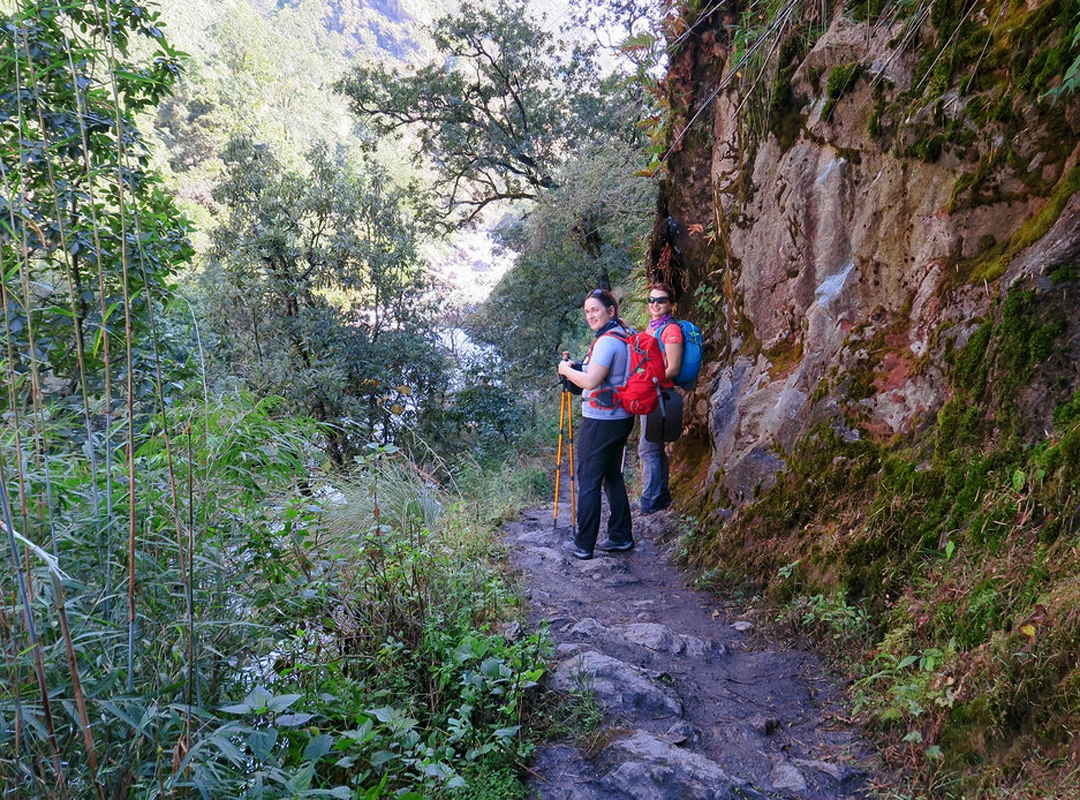
It blends the rich Tamang and Sherpa culture with pristine natural beauty, sacred lakes, deep forests, and high alpine valleys. The trail of the trek begins with rhododendron forests, oak forests, and pine forests. Then it stretches to meadows and yak pastures. As you move towards Gosaikunda, the trail gets rugged with rocky steps. Therefore, this trek offers a wide variety of terrains with nature’s beauty reflected in them.
Likewise, the cultural reward of the Langtang Gosainkunda trek is equally impressive. The ethnic Sherpa and Tamang of the region have traditions influenced by Tibetan Buddhism. The prayer flags, chortens, prayer wheels, and monasteries reflect the cultural diversity of the region.
This journey’s geographical topography makes up an ideal choice for scenic adventures. You get to trek along to the sound of the Himalayan birds, the forest breeze and wildflowers, which allows you to feel close to your environment. As you move higher, the scenery shifts to alpine meadows, glacial streams, and excellent sights of himalayan peaks.
Mount Langtang Lirung, Mount Langtang II, Khimsung peak, Yala peak, etc., fill the skyline as you ascend up. Trekkers know the Langtang Gosaikunda region as “the valley of glaciers” because it features stunning glaciers like the Yala Glacier, Langtang Glacier, and Shalbachum Glacier. These glaciers lead to Trishuli Khola, Langtang Khola, Bhote Koshi Khola, Narayani Gandaki Khola, etc.
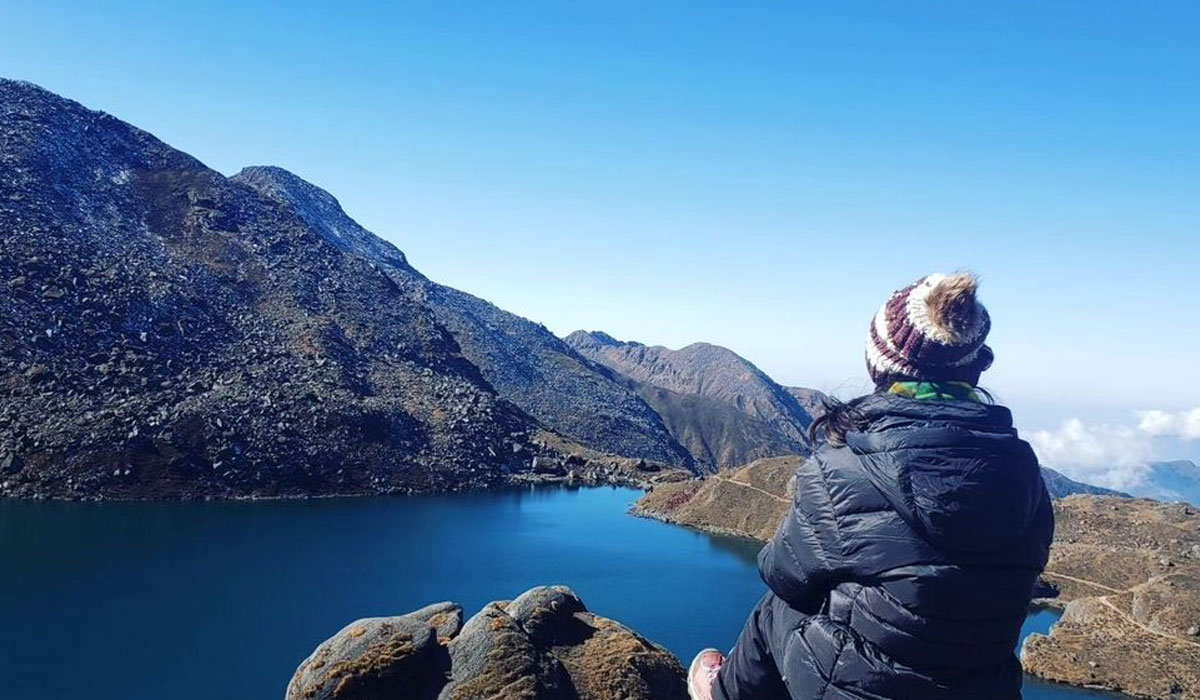
Nearing the valley, the outlook of the Ganesh Himal and Hiunchuli Himal present themselves. Finally, in Gosaikunda, the three lake clusters come into sight, showcasing Gosakikunda, the Bhairavkunda, and the Saraswotikunda, marking one stunning end to the journey.
More than just visual cultural symbols from flags, wheels, and chortens, folk dances like Tamang Selo and folk songs preserve the authentic culture of the region.
As the trek moves towards Gosaikunda, the spiritual significance of the region comes to light. Hindu deity Shiva is believed to have created Bhairavkunda, Saraswotikunda, and Gosaikunda by himself. This provides a great religious and spiritual meaning to Hindu and Buddhist communities.
The Tamang and Sherpa people of the region gather around the lakes and perform dances, play drums, and chant rituals during the Janai Purnima festival. Also, Hindu men perform a rite to replace their sacred thread (janai), which symbolizes purity and commitment.
During this time, many pilgrims from around the world visit these holy water bodies. Devotees believe that taking a holy bath in Gosaikunda during this particular festival washes away all the sins.
The authentic dances, songs, rituals, and spiritual values of this trek set it apart from other popular trekking spots in Nepal. It creates a journey that feels closer to both nature and spiritual beliefs. Furthermore, unlike the crowded trek, interactions with the locals feel more personal. This allows you to feel like a part of their family rather than remaining just an observer.
The Langtang Gosainkunda trek passes through the Langtang National Park. Rhododendron, oak, maple, fir, and bamboo fill the lower forest of the national park. Furthermore, it is home to endangered species like the red panda, musk deer, langur monkeys, and himalayan black bear.
In the higher region, you can spot Himalayan birds such as monals, vultures, eagles, danphe, and pheasants. Furthermore, the Langtang Gosaikunda region is home to medicinal herbs like Jatamasi, Kutki, Panchaaule, Yarshagumba, and Somlata.
The scenic view of the trek is as diverse as the wildlife. Kyanjin Ri offers breathtaking sunrise views over the Langtang Lirung Himal and its glaciers. When the first ray of light hits the snow covered peaks in the morning, they appear golden and pink. Moreover, the 360-degree view of the Langtang Himal range and Ganesh Himal range covers the sky.
Moving forward, the three sacred lakes of the Gosaikunda region come into sight right beneath the rugged mountains. This combination of the glacial peaks, flora and fauna, and spiritual lakes is the ultimate reward of the trek.
The Langtang region trek, despite being the nearest trekking spot from Kathmandu, is one of the least crowded trekking destinations in Nepal. Moreover, it is filled with natural spectacles like the mountain views, glaciers, rivers, flora, and fauna.
Alongside these scenic outlooks, trekkers can witness traditional Tamang and Sherpa folk dances, folk songs, and other practices. They can enjoy their local foods and be part of their local community celebrations. In conclusion, it is one of the easiest yet visually and culturally most appealing treks in Nepal.