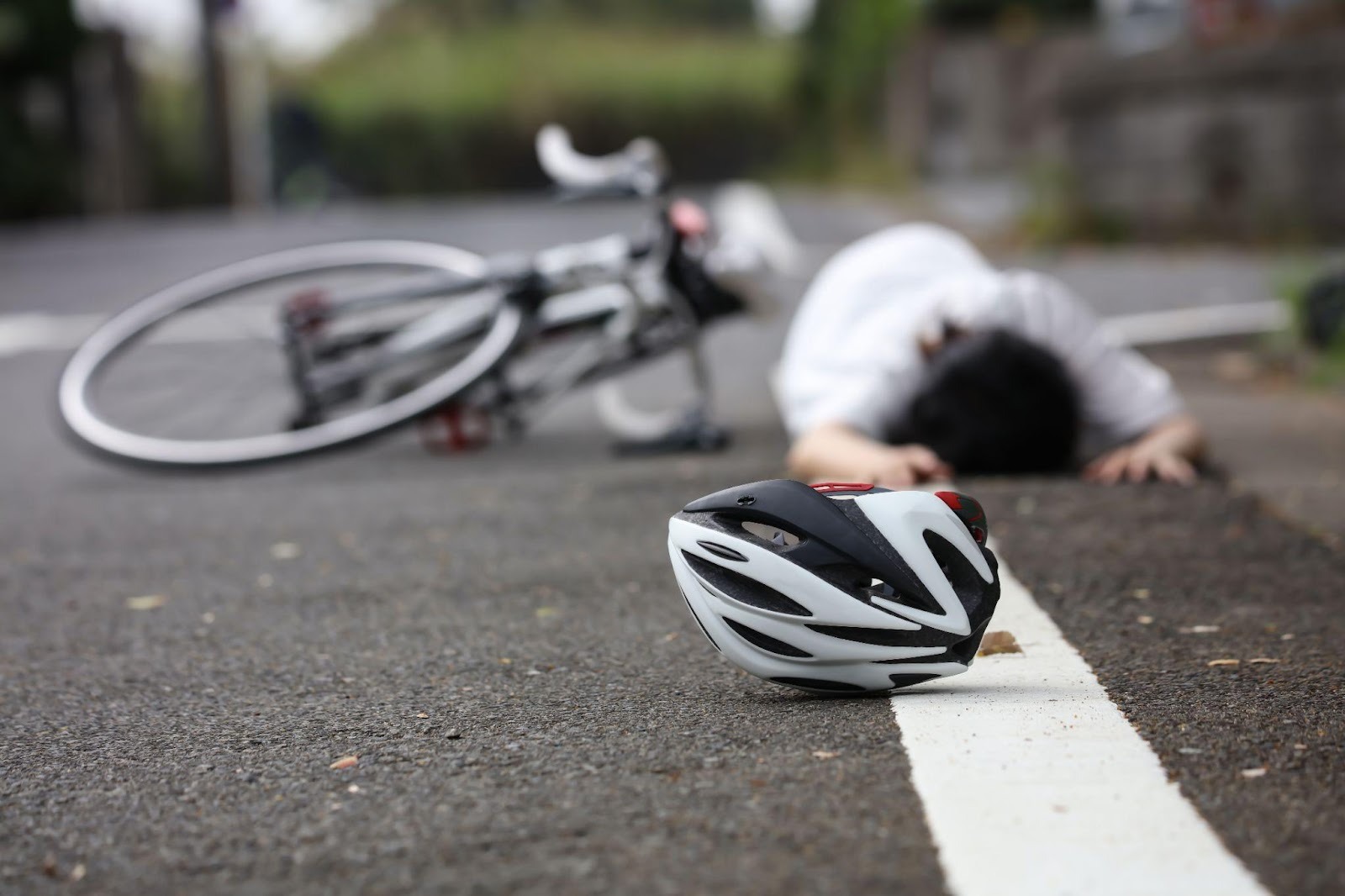
Riding free doesn’t mean riding without risk.
Cycling feels freeing. The wind on your face, the rhythm of the pedals, and the freedom of the road all make it a joy. But sometimes that joy is interrupted by an accident. Bicycle accidents can be sudden and confusing. Understanding the most frequent ways cyclists get hurt helps everyone ride smarter and stay safer. Knowing the risks isn’t about fear; it’s about being prepared and aware.
Accidents don’t just happen because of reckless riding. Roads, vehicles, other cyclists, and even environmental conditions all play a role. Being aware of these factors can make a huge difference in preventing injuries and handling situations properly if something does go wrong.
Here’s a closer look at the common types of bicycle accidents and the lessons every cyclist can take from them.
Bicycle accidents vary widely, but certain types appear more frequently. Recognizing these patterns helps riders stay alert and take precautions.
Cars and bicycles often share the same roads, and not every driver notices cyclists. Accidents can occur:
These accidents can result in serious injuries. Even minor collisions can lead to broken bones, cuts, or concussions. Being visible, using hand signals, and following traffic rules reduces the risk.
Cyclists sometimes fall without any outside interference. These accidents usually happen because:
Single-cycle falls may seem minor, but they can still cause sprains, fractures, or road rash. Regular bike maintenance and awareness of road conditions are key preventive measures.
Bike lanes and multi-use trails can get crowded. Accidents between cyclists or with pedestrians often result from:
Keeping a safe distance, signaling intentions, and anticipating sudden movements reduces the chances of these collisions.
Weather and natural conditions can create hidden dangers. Common hazards include:
Adjusting speed, wearing appropriate gear, and staying alert to conditions helps manage these risks effectively.
Equipment issues are often overlooked but can quickly cause accidents. Common failures include:
Routine inspections and prompt repairs keep bikes safe and reliable.
Understanding the typical types of bicycle accidents is only one part. Knowing how to respond after an incident matters as much. Here are some practical steps to follow:
Documenting everything clearly strengthens your position if you need to file a claim or seek compensation.
Accidents often happen in seconds, but the consequences can last much longer. Recognizing the most frequent scenarios allows cyclists to:
By understanding these common patterns, riders make smarter decisions that protect both themselves and others on the road.
Cycling will always have risks, but knowledge and preparation are powerful tools. From collisions with vehicles to single-cycle falls, the most frequent accidents are predictable in many ways. Following safety practices, maintaining equipment, and staying alert ensures better control and confidence.
For cyclists who want to understand the legal aspects or protect their rights after an accident, knowing the typical types of bicycle accidents and how they occur is essential. Awareness, documentation, and strategic response make a significant difference in recovering from incidents and preventing repeat occurrences.