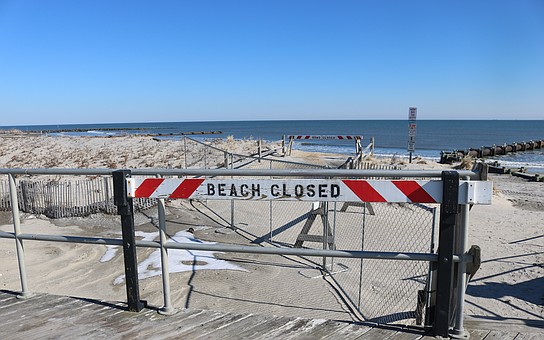
Coastal homes have their own temperament, and moisture sits at the center of it. Salt hangs in the air long after a storm passes. Humidity settles into crawl spaces throughout the height of summer. Even on calm days, the ocean leaves a trace on everything it touches, including the wiring tucked behind walls. Homeowners tend to watch the roofline, the foundation, or the siding for signs of wear, yet moisture often creates its most troubling effects in the places no one sees. Electricians who work in shore towns know how small shifts in temperature and air quality can set off electrical problems that seem minor at first but grow steadily over time.
Moisture does not need a dramatic storm to create trouble. It builds its influence grain by grain, the way sand works into hinges and window tracks. Inside a home’s electrical system, that slow creep becomes meaningful. Humid air encourages metal components to oxidize. Terminals loosen. Connections that once carried current cleanly begin to show stress. Even newer homes feel the strain after a few seasons of damp weather pushing in from the coast.
Shore communities across the country see the same pattern. The warm Atlantic air over the Carolinas, the misty mornings along Oregon’s coast, and the salty breeze drifting through Northeast beach towns all shape how electrical systems age. A dry stretch can flip into condensation-heavy weather without warning. Spring humidity moves into outlets and fixtures that appeared fine a month earlier.
Along the New Jersey shoreline, places like Sea Isle City, Ocean City, Cape May, and Long Beach Island feel these shifts every year. Salt air reaches porches, garages, attics, and breaker panels. Outdoor outlets age faster. Equipment deals with summer heat, cool, wet air in the off-season, and the constant pull of humidity. Electricians who work in these communities often deepen their skills through New Jersey electrical continuing-education training, which gives them space to study moisture-related risks and the methods used to help wiring last longer under continual exposure.
Moisture rarely announces itself the way a roof leak or broken window does. Its influence appears in the fine details of a home’s electrical system and in the pace at which that system changes.
Humidity leaves marks that are easy to miss. Metal inside outlets and switches may dull or discolor long before a homeowner notices anything unusual. That early stage of corrosion weakens how well a connection holds. Even a small shift in conductivity can lead to problems that feel much bigger than the cause suggests. Breakers that trip without reason or lights that flicker on calm days often trace back to moisture settling into places meant to stay dry.
Wiring insulation faces a different challenge. Damp air can make older insulation brittle or encourage tiny cracks that let moisture edge closer to the conductor. Once that happens, the system becomes more sensitive to weather swings. A humid morning followed by a sudden cooldown can be enough to reveal weaknesses that had gone unnoticed for years.
Outlets in ground-floor rooms, garages, and enclosed porches feel the most pressure. These areas collect moisture even when the rest of the house seems comfortable. Electricians often spot the first signs of trouble here. A faint trace of corrosion on screws, a hint of discoloration around terminals, or a slight change in how an outlet grips a plug can all point to gradual wear. By the time someone senses a problem, the underlying changes have usually been building for a while.
Storms bring a different kind of moisture into the picture. Heavy rain, wind-driven spray, and sudden temperature drops create conditions that push damp air into crawl spaces, attics, and wall cavities. A home can stay perfectly sealed and still absorb enough moisture to leave a mark. After a summer storm or a fall nor’easter, electricians often find accelerated wear on outdoor fixtures and on equipment kept in garages or utility rooms that do not stay fully dry.
Moisture that arrives during a storm does not always cause immediate trouble. It settles into pockets that take time to dry, especially in older homes with tight corners and limited airflow. Weeks later, a breaker may start behaving unpredictably, or an outlet may feel sluggish. These delays confuse homeowners, but they make sense once the role of lingering moisture becomes clear.
National safety organizations track how weather patterns influence electrical systems, noting the increased risks that come with sharp swings in temperature and humidity. The seasonal safety guidance offered by these experts reflects many of the same concerns seen in coastal regions, especially the tendency for storm conditions to leave moisture in places that dry slowly.
Electricians who work along the coast learn to read subtle signals that point to moisture-related problems. A panel may show a faint trace of rust around screws or on the surface of a breaker that still appears functional. Outdoor outlets often reveal even more, especially those built into older siding or placed near decks where salt air tends to settle.
Fixtures inside the home can tell their own story. A switch that feels slightly warm or an outlet that buzzes when a plug is inserted suggests that something has shifted in the way the connection holds. These signs deserve attention because moisture increases and decreases with the weather, and electrical components respond to those cycles.
Wiring insulation in basements, crawl spaces, and enclosed porches often carries the earliest hints of wear. These spaces stay damp longer than the rest of the house. Electricians also check GFCI and AFCI devices to see how they react under changing humidity levels. A device that trips erratically can signal that moisture has reached delicate parts of the system.
Routine checkups help a home near the water stay in good shape, especially after seasons marked by humidity or repeated storms. Small steps go a long way. Newer outdoor outlets made from weather-resistant materials slow corrosion. Better airflow in basements and crawl spaces reduces pockets of damp air that linger for months. Even checking extension cords stored in garages or sheds helps prevent an easy failure point.
Many homeowners rely on professional assessments to understand how their electrical systems are aging. Electricians familiar with coastal conditions know where moisture tends to settle and how to spot early signs of trouble. Their inspections often lead to modest improvements that strengthen a home’s resilience. In shore communities, electrical testing for coastal properties provides a clear look at how wiring, panels, and safety devices respond to years of salt air, humidity, and shifting weather.
Moisture shapes the lifespan of a home’s electrical system in ways that are easy to overlook. Corrosion grows slowly. Insulation shifts with each season. Fixtures respond to the constant push-and-pull of damp air. The coast brings beauty and pressure in equal measure, and both reach the wiring tucked out of sight. Once homeowners understand how moisture moves through their home, it becomes easier to plan for upkeep that protects the structure long before problems surface.