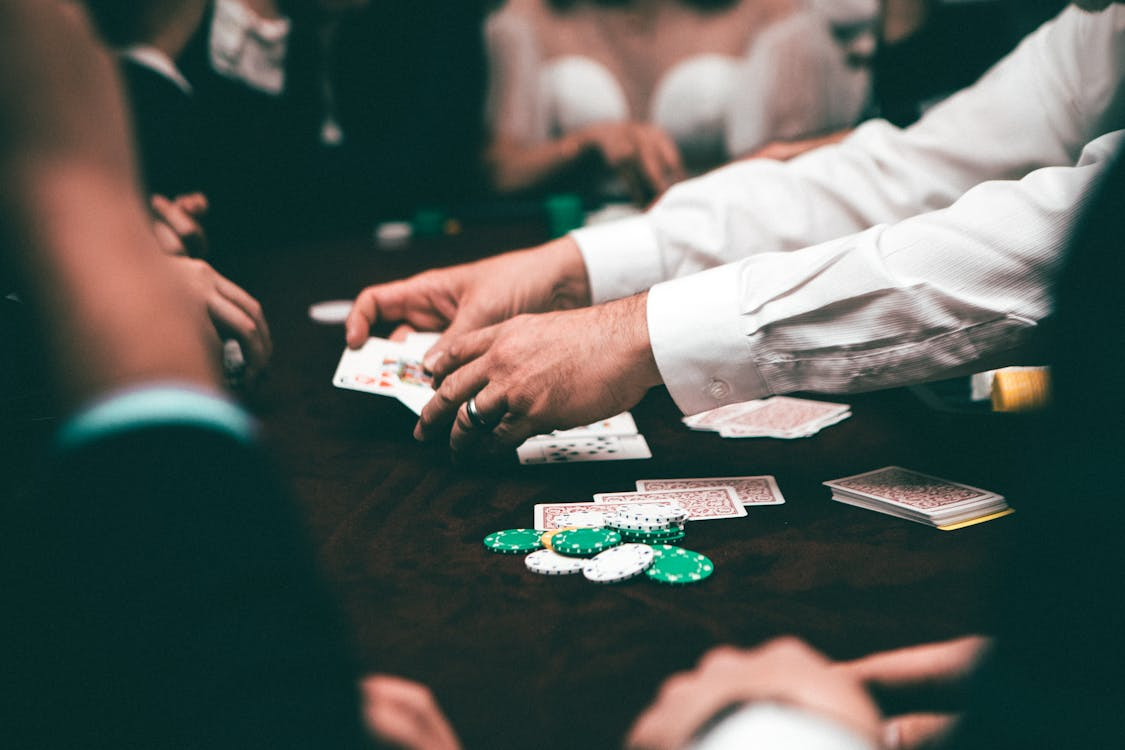
A packed rec hall tells you a lot before the first card hits the table. The raffle table draws a line, the chip station hums, and the host explains simple ground rules. People come for a good time, to support a cause, and to leave with a clear head. Good planning turns a fun night into a memorable one.
Sports fans often find overlaps between casino nights and the weekend slate. Odds talk flows, picks get compared, and side conversations move from tables to phones. If you like data and accountability, tools that help you find the best sports tipster can teach you what to watch for. The same habits that protect a bankroll also protect a night out with friends.
Start by listening to the host’s briefing, then read the printed rules near the buy in table. Ask about chip values, table limits, and payout structure before you sit down. Clarify how rebuys work, and confirm any event raffles tied to chip totals. A two minute check saves awkward moments later.
Pick two games for the first hour, and rotate only if tables feel slow or crowded. Roulette and blackjack move faster, while poker needs more time and attention. Short sessions keep energy high and give you natural breaks. Those pauses help you track spending without losing the thread.
Every table has a rhythm, and you will feel it after a few spins or hands. Watch how the dealer tracks bets, and note how others size theirs. If something seems unclear, ask before chips move. A polite question today avoids confusion tomorrow.
For mixed crowds, table etiquette matters more than any clever move. Stack chips neatly, announce bets clearly, and avoid touching other players’ stacks. Keep drinks away from felt, and wait for the dealer’s signal. Small courtesies keep play smooth for everyone.
Set a number you can lose comfortably, then split it into equal blocks for the night. Use the first block for the first hour, and stop when it runs out. Take a break after each block, even if you are ahead. Those checkpoints separate fun from frustration.
If you like structure, try this simple rhythm for three hours of play:
Pick bet sizes that match the table minimums and your time horizon. A smaller unit keeps you at the table longer, which is better for social events. Avoid chasing after a loss, and decline side bets that strain your unit size. The goal is steady, relaxed play.
Take a walk every forty five minutes, and grab water before rejoining your table. Breaks help you notice drift in your plan, good or bad. They also reset attention so you spot dealer prompts quickly. A routine like that protects both your mood and your budget.
People love to share picks, both at tables and near the snack line. Treat every claim like a small test you can pass. Ask what record backs it, how long it has been tracked, and if odds are verified. Clear answers matter more than bold predictions and quick boasts.
Online tools can help you separate signal from noise during busy sports weeks. Look for platforms that timestamp picks, track closing lines, and publish full histories. If you want plain guidance on gambling risks and self checks, the NIMH overview of gambling disorder explains warning signs in accessible language. Keep those checks in mind before you raise stakes or change limits.
When a platform says it certifies tipsters, read how that process actually works. Check whether results are audited by time period, and whether losing streaks remain visible. Compare performance to the closing line instead of the opening number. That comparison shows whether advice beat the market or just sounded confident.
Carry those habits back to your local event, and keep the room friendly. Share why you trust certain signals, and be open about uncertainty and gaps. If a claim sounds too neat, log it and wait for results later. Patience turns loud talk into useful notes you can revisit.
Casino nights run on conversation, so set light rules for your group chat. Keep side wagers small, and write them down with time stamps and totals. Agree to settle only at breaks, not mid hand or mid spin. Those habits reduce friction and keep tables friendly.
Food and drink add to the night, but they can blur judgment. Alternate water with anything stronger, and eat small plates between sessions. Agree to a rideshare plan before the first bet, not after the last. Responsible plans are easier at the start of the night.
Hosts and volunteers handle a lot, and clear feedback helps them run smooth events. Thank dealers, follow seat assignments, and return chips when closing a session. If you spot a table issue, flag it privately and early. Solutions are simpler before the room gets busy.
Newer players often learn fastest near the pay out desk. Ask staff to explain chip color changes, raffle entries, and closing steps. Watch how they square the table and settle disputes. Those observations help you read future events more quickly.
Choose games that fit how you like to focus. Blackjack rewards steady attention and simple math, while roulette rewards patience and quick bookkeeping. Poker invites longer stretches and deeper reads. Your choice should track your energy, not anyone else’s preference.
Start with a practice round whenever the table is not full. Bet the table minimums and track outcomes for a few spins or hands. Use that trial to confirm your unit size and table speed. A small test better than a big correction later.
If you enjoy live sports during the event, separate screens from tables. Ask the host where screens are allowed, and keep streams muted near dealers. Use breaks to check scores and markets instead of betting between hands. Structure like that avoids rushed choices.
Close the loop by writing simple notes after each session. Record table type, unit size, and time on felt. Mark wins and losses in whole numbers, and keep comments short and plain. Those records teach more than any hot tip.
Before you leave, pause for a final review of chips, receipts, and notes. Add your table totals, settle any side wagers, and thank the host. If you tracked sports picks during the event, you can also compare your notes later with independent data from the National Institute on Drug Abuse on decision fatigue and risk. You will notice how breaks, water, and measured bet sizes made the night easier to manage.
Give yourself a simple next step for the next event. Keep the envelope system if it worked, or try smaller units if pressure crept in. Share what you learned with your group so everyone benefits. A calm exit sets up a better return.
Local casino nights work best with simple plans, steady habits, and clear limits shared with friends. Set a firm budget, pace play with breaks, and keep water near your chips all night. Use small units, record results in plain notes, and treat bold picks with patient skepticism. Leave on time, thank the host, and bring what worked to the next event too.