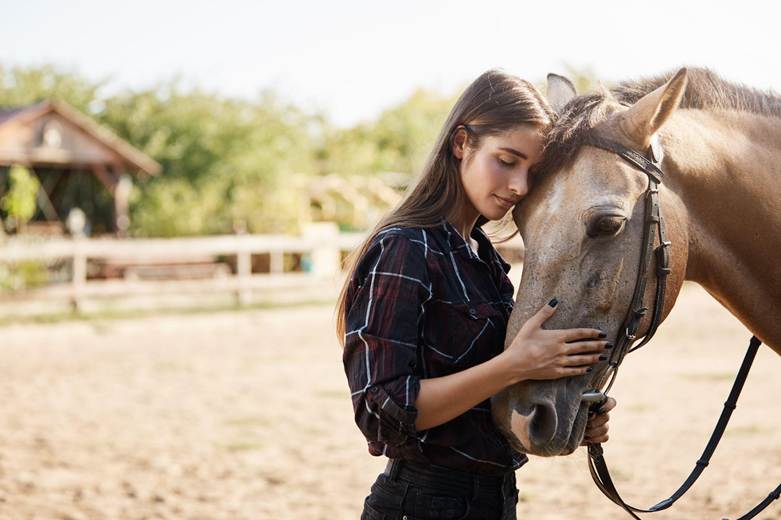
For many families, the search for support eventually leads them to explore equine therapy, especially when a child begins to withdraw, not abruptly, but gradually, through subtle avoidance, muted emotions, or quiet distance. Parents often try multiple interventions before recognizing that traditional talk-based approaches aren’t always enough for young people who struggle to express what they feel.
In those moments, equine therapy becomes more than an alternative treatment; it becomes a gentle doorway to connection. And while the work may appear simple from the outside—grooming, leading, observing, or simply standing beside a horse, the experience offers a safer, nonverbal space where communication can begin again, slowly and authentically.
Emotional shutdown is more common than most parents realize. This silence can come from:
Teens who withdraw are interested in connection. They often want connection but feel overwhelmed by the vulnerability required to access it.
Programs using equine therapy recognize that not all communication begins with words. For many students, regulation, presence, and relational safety must come first.
Many adolescents struggle to sit in a therapy room and talk about their emotions. When faced with direct questioning, some teens shut down further. Equine therapy creates a relational experience that doesn’t require language to begin building emotional trust.
During early sessions, students may work on:
These interactions help teens practice emotional attunement and social communication without the pressure of speaking. Over time, the relationship with a horse becomes an entry point for forming healthier relational patterns with peers, staff, and eventually, family.
One reason equine therapy resonates with withdrawn teens is the nonverbal nature of the relationship. Horses react to what a person feels, not what they say. For students who have learned to mask, their experience with horses can be powerful because:
Many parents find relief knowing their child is engaging, even if words are still difficult. Engagement becomes the first milestone.
Not all students who benefit from equine therapy are silent. Some appear high-functioning socially but feel disconnected internally. Others isolate completely. Common indicators include:
This therapeutic modality offers a neutral space where relational pressure is removed, making emotional exploration feel safer.
Growing evidence supports equine therapy as a meaningful tool for emotional regulation, trauma recovery, and communication development. Organizations such as the National Institute of Mental Health acknowledge the importance of nonverbal forms of emotional processing, especially for teens who struggle to identify or express what they feel. While every student reacts differently, many report heightened emotional awareness, diminished anxiety, and enhanced relational skills following regular equine sessions.
Progress in this work is incremental and meaningful. Teens often begin by observing and then stepping closer, sometimes over multiple sessions. Gradually, these small experiences build:
For many adolescents, the first meaningful connection in treatment is not with a therapist or peer but with a horse. That moment often becomes the turning point.
As progress continues, experiences from equine therapy sessions naturally transition into family work. Students learn to:
Family involvement becomes part of the healing process, allowing communication to strengthen long after the formal program ends.
When a teen becomes distant, withdrawn, or emotionally unreachable, families often feel unsure and disconnect themselves. Silence can become the default, and emotional shutdown often feels easier for the teen than trying to explain what’s happening inside. For many adolescents, overwhelm, anxiety, trauma, or masking behaviors make communication feel unsafe or exhausting.
Equine therapy offers a different starting point, one that doesn’t rely on verbal expression. Instead of starting with conversation, the process begins with establishing presence, trust, and calm interaction. Horses respond to emotion, not performance, which allows teens to feel seen without needing to explain or defend themselves.
Over time, this process helps rebuild the foundations communication depends on:
These shifts are often subtle but meaningful: a softer tone, a willingness to engage, or a gradual return to connection.
If your child struggles with shutting down, masking, or withdrawing, equine therapy can serve as a gentle bridge back to communication and back to themselves.